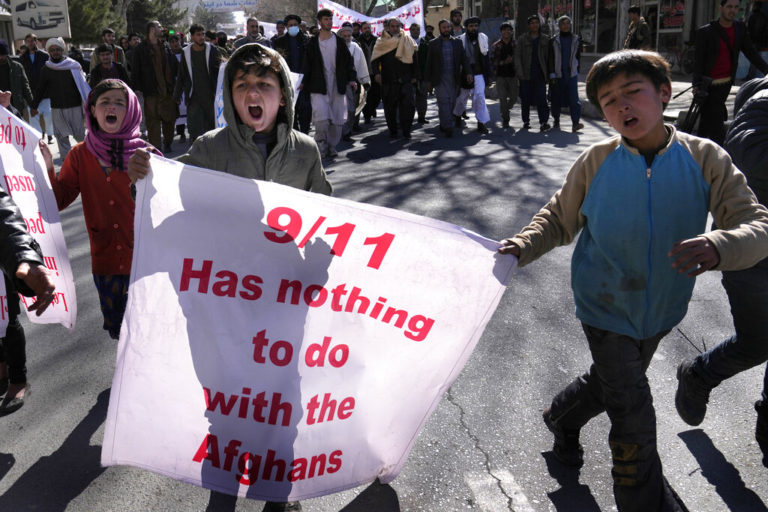
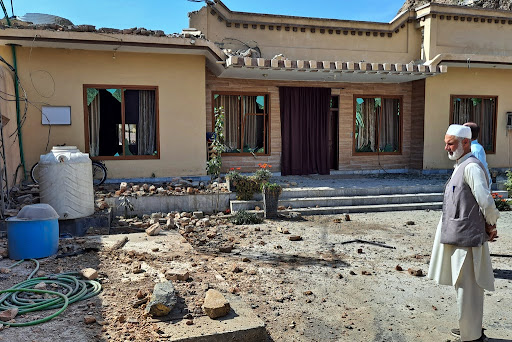
A few months ago, Pakistan and Afghanistan appeared to be close to a breakthrough. A fragile calm. After multiple rounds of negotiations, the countries reached a ceasefire, which paused the tumultuous conditions along the Durand Line. However, recent Pakistani air strikes inside Afghanistan suggest that the aforementioned period of calm was indeed temporary. Now, families living close to the border fear for their lives, as they are able to hear the explosions while they break their fasts for Iftar. Many criticize the governments of both countries for being hypocritical: to be engaging in such hostility in the month of Ramadan. While this is one criticism of this war, many other proponents and I also believe that militant movements such as this one cannot simply be squashed through counter-military force. These movements are deeply rooted in political grievances, and military retaliation only depends on the conflicts.
After weeks of cross-border clashes between Pakistan and Afghanistan, the countries came to an agreement of peace facilitated by Qatar and Turkey that imposed a penalty on the violating party. Initially, the violence began due to Pakistani allegations that the Taliban in Afghanistan was supporting the Tehrik-e-Taliban Pakistan (TTP) in carrying out attacks in Pakistan. The Taliban’s defence ministry remarked that the attacks were a “blatant violation of Afghanistan’s territorial integrity [and] a clear breach of international law.” Although the Pakistani government was able to negotiate a peace deal a couple of months ago, in 2025, the Pakistani President Asif Ali Zardari has defended the fighting. He asserted that Islamabad tried all possible forms of diplomacy before the nation employed the air strikes on Afghan land and declared an “open war.” Pakistan’s army chief Field Marshal Asim Munir added that “peace could only prevail between both sides if the Afghan Taliban renounced their support for terrorism and terrorist organizations.” Many say it is unlikely that the border violence between the countries will come to a halt; is there any truth to this? Yes and no.
The chances of another round of peace talks resulting in another ceasefire are highly likely; however, this does not imply that the peace will last. Turkish Foreign Minister Hakan Fidan has already reached out to the Afghan Foreign Minister Amir Khan Muttaqi, in hopes of discussing the cross-border situation and what one can assume to be a potential peace deal with Pakistan. Even if Turkey is able to foster an agreement between the countries to cease violence, there is no guarantee of durable stability. How can families living close to the border be sure that it is safe to come home? They cannot until the underlying political reasons behind the open war are resolved. These issues include, but aren’t limited to: militant groups being sheltered, the contested legitimacy and colonial history of the Durand Line, and the persistent governance failures that plague both countries. The volatility makes both countries prone to violence.
Until structural issues similar to the ones above are addressed, there will be a recurring cycle of violent conflict and ceasefires. While military retaliation offers governments chances to assert their dominance and attempt to intimidate the other party, they are mere distractions from the root of the problem. For those who live along the Durand Line, peace should not mean a momentary pause in gunshots and a brief silence between explosions. When Pakistan and Afghanistan are able to move beyond military “solutions,” they cannot confront the reality of the tensions that exist between the nations, and the citizens who call the land their home will suffer.
The Zeitgeist aims to publish ideas worth discussing. The views presented are solely those of the writer and do not necessarily reflect the views of the editorial board.