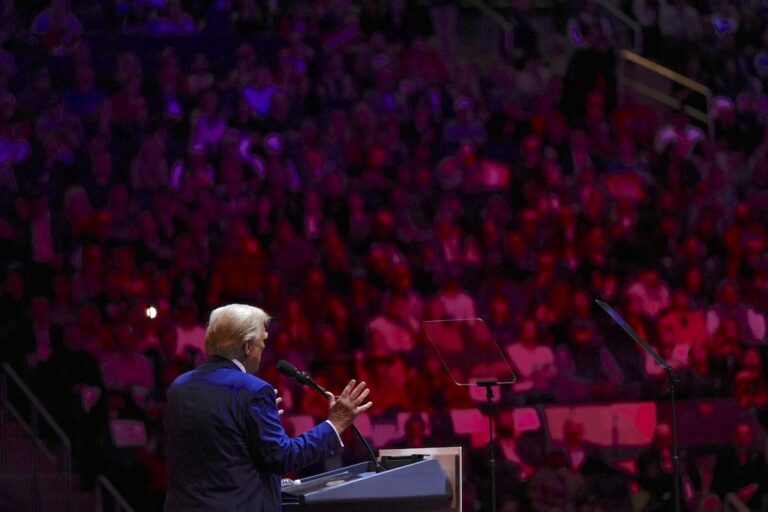
The common consensus about the Supreme Court of the United States has substantially shifted in recent years: from the belief that the branch has little influence to American concerns that it has excessive power. In February of this year, the Court made a decision in Learning Resources, Inc. v. Trump, demonstrating that the judicial branch is more than an independent overseer of legality and constitutionality. It shows that the judiciary has a significant role in shaping U.S. policy and limiting the authority of the legislative and executive branches. The ruling of the case illustrates the judiciary’s critical role in enforcing constitutional limits on executive authority, while also revealing that increasing political resistance to the decisions of the Court threatens the principle of judicial independence — the very principle that upholds the constitutional balance of powers.
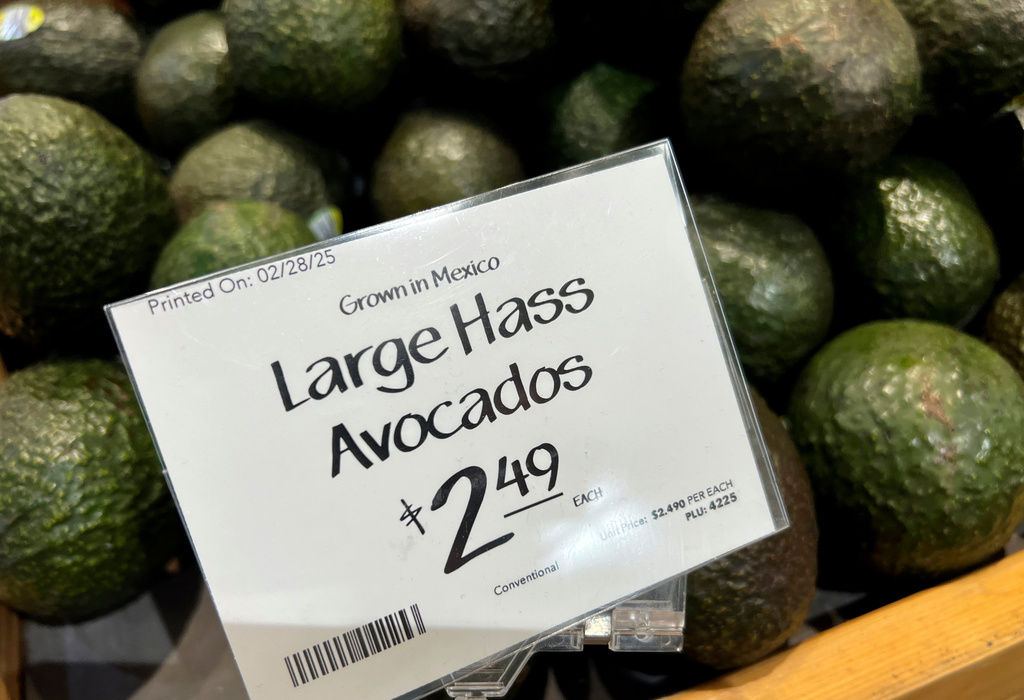
The heart of Learning Resources, Inc. v. Trump stemmed from President Trump’s pledge to impose heavy tariffs on foreign imports. After taking office in 2025, Trump issued an executive order that implemented a baseline tariff of at least 10 percent on imports from most countries doing business with the United States. However, some nations faced significantly higher tariffs. For example, imports from China were taxed as high as 145 percent at one point, whereas goods from Canada and Mexico were initially subjected to 25 percent tariffs. The volatile changes in tariff levels created an uncertain environment for American businesses and global markets, prompting companies to challenge this policy in court.
The Court found the tariffs unconstitutional and decided that the International Emergency Economic Powers Act (IEEPA) did not authorize the President to impose tariffs. In a 6-3 judgment, the Court reasoned that Article I, Section 8 of the Constitution vests powers to set tariffs in Congress, making companies entitled to refunds. Chief Justice John Roberts rebutted the argument that President Trump had the authority to issue the tariffs, saying that “When Congress grants the power to impose tariffs, it does so clearly and with careful constraint… it did neither here.” Judge Richard Eaton wrote in his opinion that he “will hear cases pertaining to the refund of IEEPA duties.”
Three of the nine Supreme Court justices dissented, including Justices Brett Kavanaugh, Samuel Alito, and Clarence Thomas. In his dissent opinion that was praised by President Trump, Justice Kavanaugh wrote, “The tariffs at issue here may or may not be wise policy. But as a matter of text, history, and precedent, they are clearly lawful.” In regard to the issuing of refunds, Justice Kavanaugh noted that the process would be rather complicated, asserting “The Court says nothing today about whether, and if so how, the Government should go about returning the billions of dollars that it has collected from importers. But that process is likely to be a ‘mess,’ as was acknowledged at oral argument.”
While it is of extreme significance that the Court determined the tariffs were unconstitutional and performed its duty of checks and balances, the decision could have major financial consequences. The U.S. Treasury had already collected more than $133 billion from the import taxes, and the long-term economic impact of the tariffs has been estimated at $3 trillion over the next decade.
Ultimately, the case illustrates the Supreme Court’s role in defining the boundaries between the executive and legislative branches of government when those lines begin to blur. The ruling in Learning Resources, Inc. v. Trump shows why the judiciary remains a necessary safeguard within the American political system. By finding that the tariffs were unconstitutional and that the authority to impose them exceeded the authority of the president as outlined by the American Constitution, the Court reinforced the principle of checks and balances. Although the decision may lead to adverse effects in terms of the logistics of the refunds and further financial complications, it emphasizes the constitutional limits on political actors. Cases such as this one show how the integrity of the Court’s decisions remains crucial to maintaining the stability of a government.
The Zeitgeist aims to publish ideas worth discussing. The views presented are solely those of the writer and do not necessarily reflect the views of the editorial board.