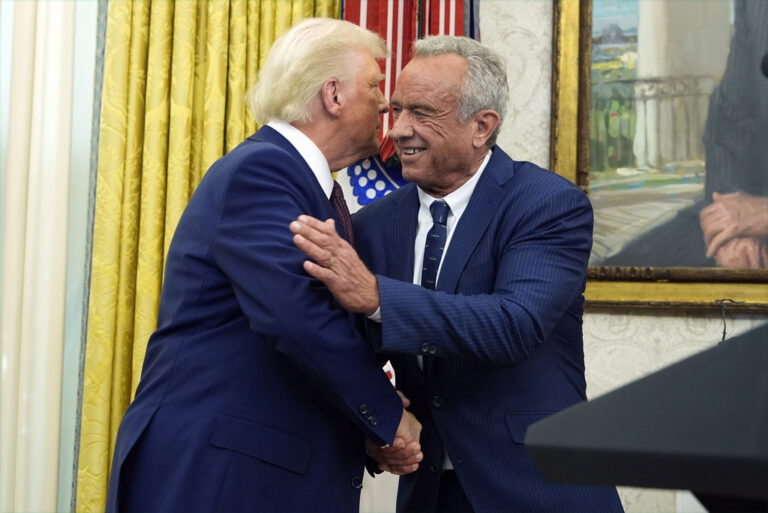
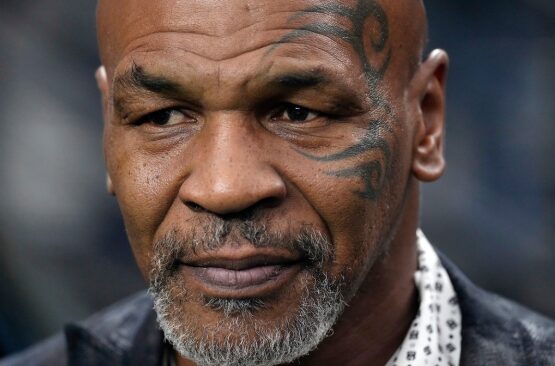
On Super Bowl Sunday, professional boxer Mike Tyson told an audience of over 100 million Americans, “I was so fat and nasty. I would eat anything.” Tyson made this confession in an ad paid for by the MAHA Center, a new group advocating for RFK Jr.’s Make America Healthy Again platform. The ad’s tagline, “Eat Real Food,” emphasized the Health and Human Services Secretary’s war on ultra-processed foods (UPFs). RFK Jr. endorsed Tyson’s blunt statement on X, calling it the “most important message in Super Bowl history.” Promoting healthier diets is certainly important, but MAHA’s shame-inducing rhetoric hurts the platform’s message more than it helps.
The Tyson ad is characteristic of the MAHA movement’s tendency to rely on shame and fear to drive support for its policies. RFK Jr. frequently refers to UPFs as toxic or poisonous. As a result, certain foods are labeled as bad or evil, implicitly suggesting that the American families who consume them are backwards, too. The MAHA leader has engaged in even more direct emotional attacks, like when he publicly shamed West Virginia Governor Patrick Morrisey for his weight at an event in 2025.
If this rhetoric feels familiar, that may be because of its similarities with the “gym bro” fitness movement on social media. Hypermasculinity, individualistic values, and traditional gender roles — all beliefs that are part of the broader MAGA platform — are strongly emphasized online. This content’s role in funneling young men into the alt-right pipeline is well established by “manosphere” influencers like Nick Fuentes, Andrew Tate, and Clavicular, who present an ultra-macho, alt-right image of what it means to be a real man.
While the Tyson ad and RFK Jr.’s rants might appeal to this niche audience, MAHA’s shame-led messaging won’t succeed with the American public. Though this rhetoric may appeal generally to MAHA’s current audience, the harsh delivery of this message pushes away more people prospectively interested in bettering their diet — something MAHA fundamentally should be striving for. Indeed, research finds that shame is actually counterproductive in helping people lose weight or adopt healthier lifestyles.
This messaging is politicizing the one aspect of the MAHA platform that has the potential to be noncontroversial and drive actual benefits for national health outcomes. Unlike his stances on vaccines and psychiatric drugs, RFK’s position on UPFs has broad appeal with the American public on both sides of the aisle.
In fact, the “Eat Real Food” message could just as easily be applied to a different wellness movement: First Lady Michelle Obama’s Let’s Move! campaign. Like RFK Jr., Obama sought to tackle childhood obesity and improve the quality of food in public schools. Yet, she opted for a more uplifting message, encouraging kids to eat fruits and vegetables through partnerships with the celebrity-backed “FNV” campaign and Sesame Street. These campaigns aimed to generate enthusiasm and positivity towards healthy food choices. Let’s Move! stands in stark contrast to MAHA and its Trumpian, macho messaging, which generates negativity towards unhealthy food choices instead.
Let’s Move! elevated nutrition to the national stage, reformed nutrition labels and updated dietary visuals, and improved the quality of children’s diets. What has MAHA accomplished? Whether the new MAHA-backed federal nutrition guidelines will benefit Americans’ health or mainly benefit the interests of the agriculture lobby remains questionable. If RFK Jr. and the MAHA movement truly want children to eat healthier, messaging that resonates with American families across the political spectrum is a must.
The Zeitgeist aims to publish ideas worth discussing. The views presented are solely those of the writer and do not necessarily reflect the views of the editorial board.