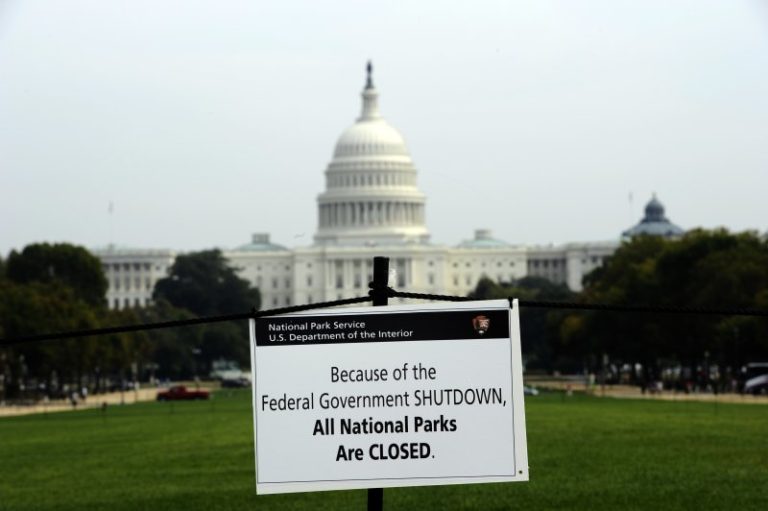
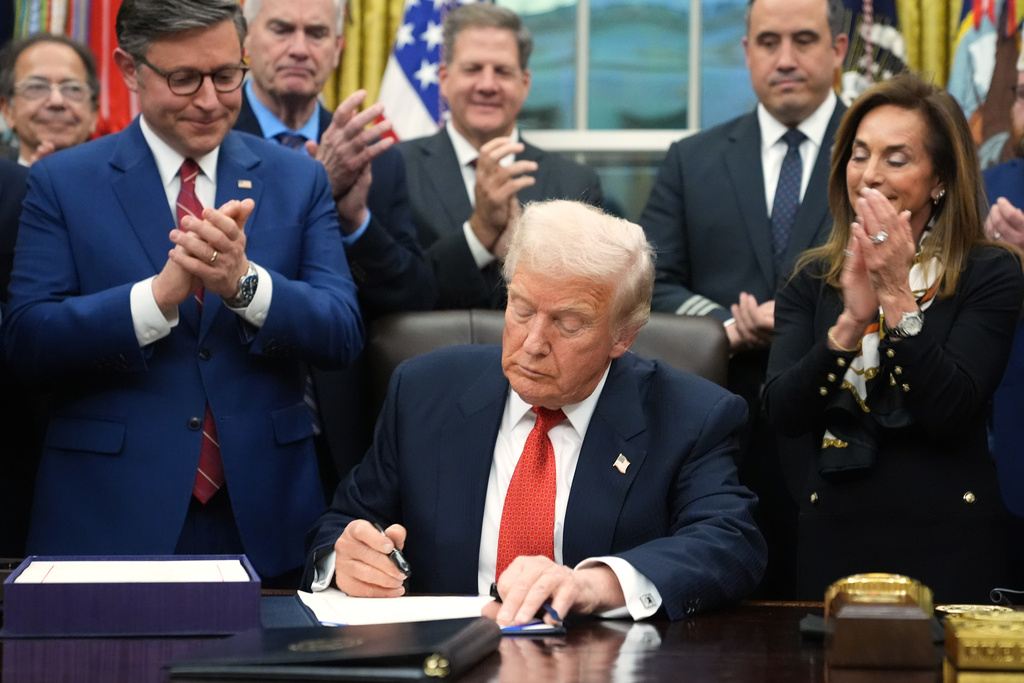
The longest government shutdown in U.S. history has just come to an end, and we have nothing to show for it. For the last 43 days, federal workers have gone without pay, SNAP benefits have been on pause, and air travel has been disrupted, along with numerous other forms of instability that come with shutting down the federal government. Everyone has felt the consequences of this period, and the people are looking for someone to blame.
Historically, government shutdowns have been an opportunity for the minority party to gain some leverage and pressure the other side to negotiate on issues they normally wouldn’t. This is because the party in power is the one that catches the blame when people feel the government is not doing its job, and the other side can use this public frustration to their advantage.
The end of the shutdown was a powerful bargaining chip for House Democrats to push for policies their constituents care about, key among these being the extension of Affordable Care Act subsidies. This funding is crucial in keeping healthcare costs affordable for millions of Americans, and it’s set to expire at the end of the year. With polls showing that 48 percent of independents blamed Republicans for the shutdown, compared with 32 percent blaming Democrats, the minority party had the perfect leverage to force Republicans to come to the table.
What did they do instead? Eight Democratic senators voted to end the shutdown, enough to give the Republicans the 60 to 40 majority they needed. None of the eight are up for reelection in 2026. This is a fact that cannot be overlooked.
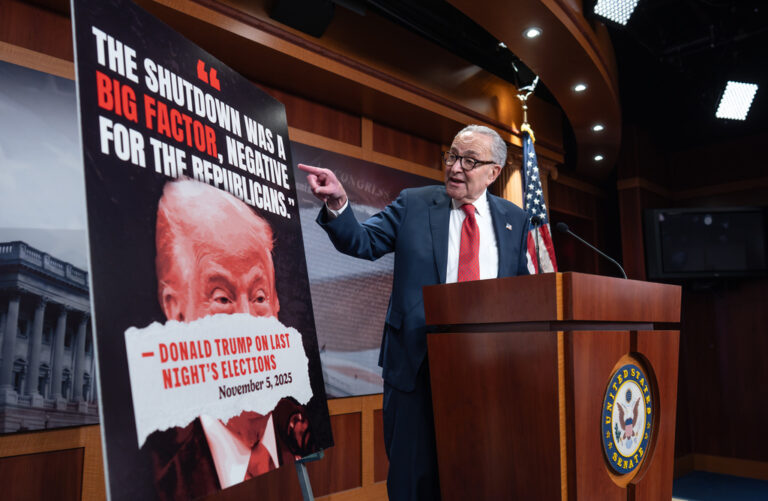
There is a very real possibility that Senate Minority Leader Chuck Schumer went to the moderates, the rotating villains of the party, and strategically picked the members who couldn’t be primaried to “take the hit” by voting yes. If this is not the case, and the Democrats actually folded against his wishes, then he is clearly not in control of his own party and is an ineffective leader. In either case, he must resign immediately. This is simply unacceptable.
Sen. Angus King, one of the eight, claims, “There was zero chance of dealing with the ACA issue as long as the shutdown continued. If they weren’t going to do it by now, what was going to change in the next two weeks?”
This demonstrates a seemingly intentional ignorance of the fundamentals of American politics. A competent party does not take its hands off the wheel right when it has the most control. In a situation where one side has all the cards, it is unthinkable to simply throw away your advantage and hand Republicans a win for no good reason.
The agreement reached is essentially the same one that Republicans were offering 40 days ago. So one must ask, what was the point? Why were Americans put through this suffering for six weeks just for nothing to be gained? The Republicans got a win and Democrats have nothing to show besides the promise of a future vote on legislation to address the ACA subsidies.
This is just the latest in a long pattern of Democrats seemingly bailing out Republicans at the very moments when they have the opportunity to make some change — just a week after a sweep of Democratic victories in elections across the country, with Donald Trump’s approval rating continuing to decline, and at a time when the public is frustrated with the governing party for the shutdown.
It’s become increasingly clear that congressional Democrats have no interest in doing anything. At some point, we must seriously consider the idea that they knowingly allow these things to happen because they stand to benefit from the back-and-forth of partisan politics. As long as the GOP doesn’t completely implode and can continue to cause damage, the Democratic Party can continue to be controlled opposition. The only other way to be a viable political party would be to actually do things to help their constituents, but that quite possibly might be the thing that Democrats are most afraid of.
The Zeitgeist aims to publish ideas worth discussing. The views presented are solely those of the writer and do not necessarily reflect the views of the editorial board.