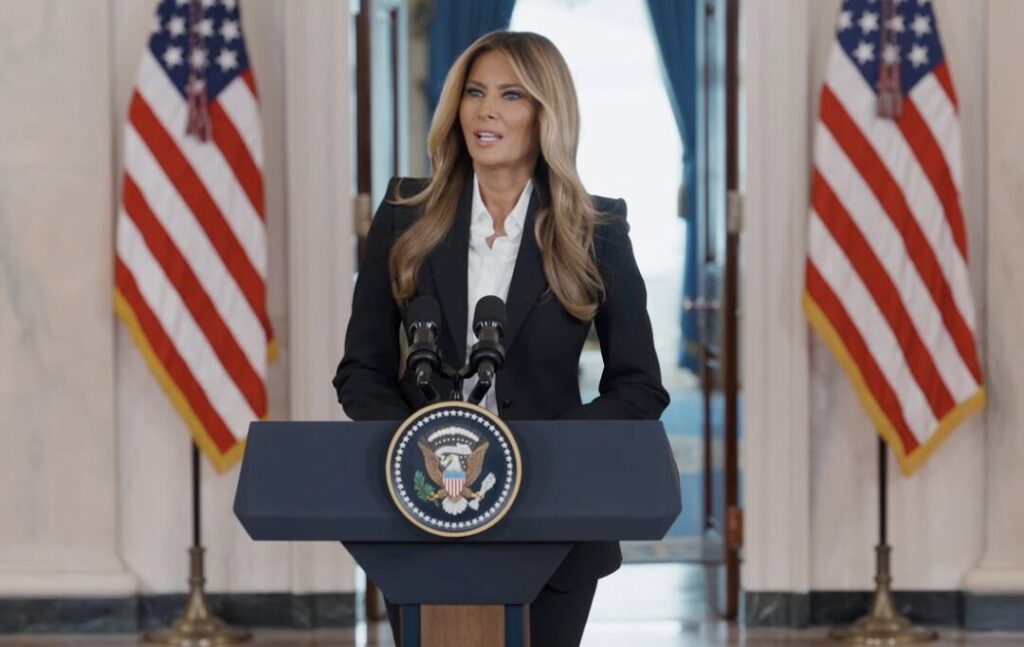
Last week, Melania Trump announced a partnership with the Republic of Korea, the first country to join her international coalition “Fostering the Future Together.” “Fostering the Future” is an initiative promoting education for American youth in the foster system with an emphasis on technological and AI education. As an extension of these goals, Fostering the Future Together, which she first proposed at the UN General Assembly in September, looks to build a coalition of First Spouses from around the world to implement these policies internationally.
South Korea is the first country to officially join this program under the recent Technology Prosperity Deal between the two nations. Kim Hea Kyun, the First Lady of South Korea, attended the “Fostering the Future” reception hosted by the Trumps following the UN General Assembly, but has not spoken about her involvement in the project since the deal between Korea and the US was announced.
The Technology Prosperity Deal focuses on education and awareness around AI to “empower children to flourish in the digital era.” Although the Memorandum released by the White House this week outlines the goals of the technology deal, its vague language around the Fostering the Future Together initiative is concerning. While it promises to “engage in discussions” about education policies, it provides no substantive method of doing so.
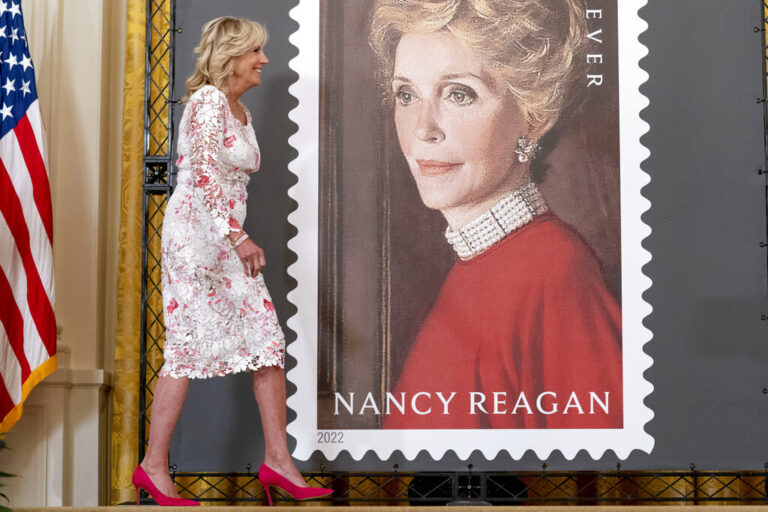
Fostering the Future is a new version of Mrs. Trump’s “Be Best” initiative, which she championed during her husband’s first term. Although Be Best focused on online safety for children, some criticized the hypocrisy of the campaign, pointing out that, at the same time Mrs. Trump was promoting online safety and condemning cyberbullying, her husband was using his social media in ways that critics say would violate her own online safety policies. Additionally, critics of Be Best said that the campaign fell short, focusing more on speeches and awareness over substantive initiatives or legislative proposals.
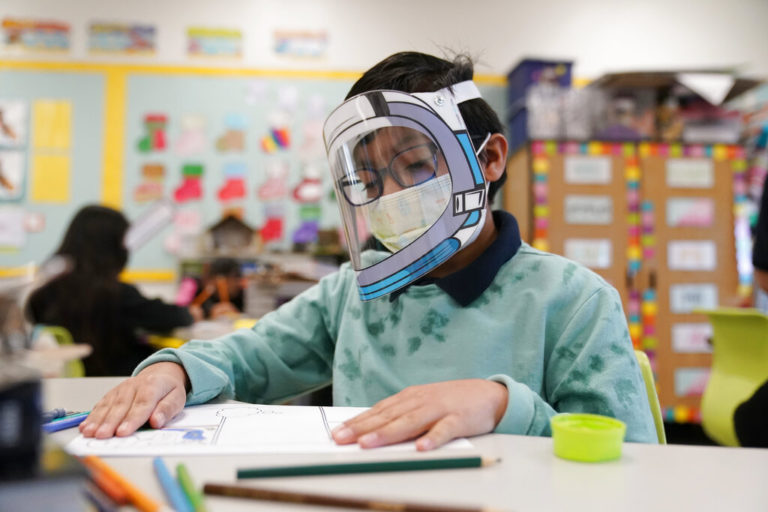
However, Mrs. Trump’s website has begun to accept applications for grants and scholarships for youth in the foster care system to gain access to technological resources and education, a concrete step that Be Best never took. She has successfully identified several major issues in the current US education system: it isn’t equipped to deal with the new developments in AI, and it often leaves underprivileged children (like those in the foster care system) behind. If Fostering the Future can successfully address these problems, or at least begin to take action in the way Be Best didn’t, it has the potential to solve these problems and others that plague America’s education system.
Post-pandemic, literacy rates have fallen and test scores for K-12 students are down across the board. President Trump has complained about our failing education system, and recently dismantled the Department of Education in an attempt to return education reform to the states’ domain. The United States desperately needs to address the education crisis — hopefully, Fostering the Future will find ways to do that.
While Be Best had valuable ideas and identified a significant problem that needed to be addressed, it lacked any legislative or policy follow-through, failing to meet many of its goals. If Fostering the Future receives the same amount of attention as Be Best, it may never amount to any actual change in education policies.
But, in a promising step, the White House recently announced that $25 million has been set aside in President Trump’s budget for the upcoming fiscal year for supporting youth in the foster care system as a part of Fostering the Future. Even if it is a fraction of what it would take to make significant educational reforms, it is an encouraging sign that there might be real changes in accordance with Mrs. Trump’s initiatives. It runs the risk of replicating the failures of Be Best if she fails to propose policies or legislative solutions needed to enact real change, but the recent steps taken by the administration to invest and garner international support shows strong potential to realize some of the education reform that the country desperately needs.
The Zeitgeist aims to publish ideas worth discussing. The views presented are solely those of the writer and do not necessarily reflect the views of the editorial board.