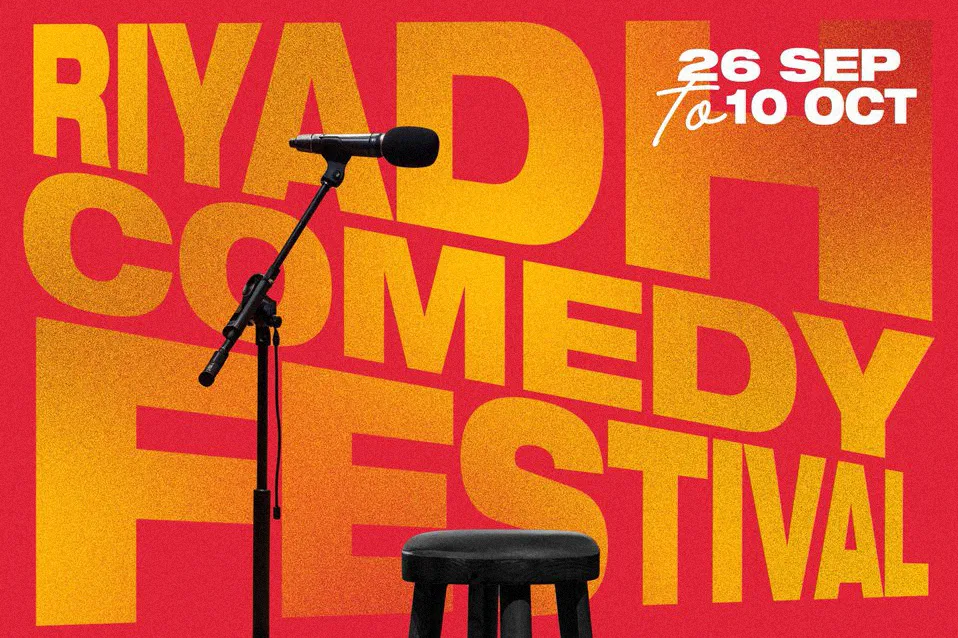
To anyone keeping a pulse on the English-speaking comedy scene, it’s pretty evident at this point that the Riyadh Comedy Festival was supposed to be a fast-one pulled on us, the audience, and it’s blown up rather spectacularly in the participants’ faces.
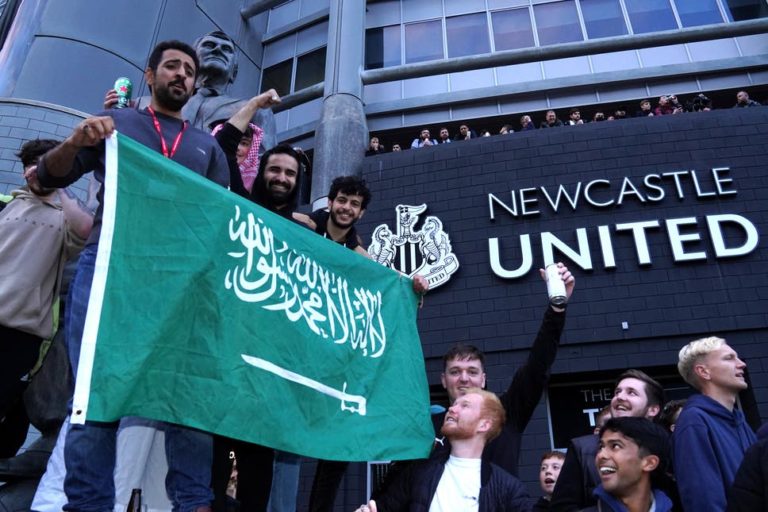
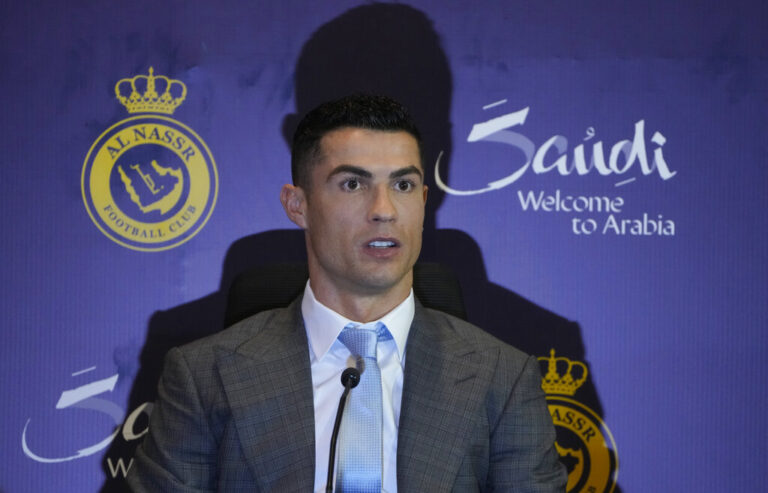
The event, which began on Sept. 26 and ended just last Friday, on the tenth, was hosted by the General Entertainment Authority of Saudi Arabia as part of their Vision 2030 initiative, which seeks to diversify the Saudi economy by way of introducing entertainment, arts, and a more tourist-friendly culture into the kingdom. Comedians performing at the event, nearly all of whom were from the West with a majority from the United States, accepted contractual stipulations from Saudi officials agreeing that they not make any jokes about the Saudi royal family or government or say anything controversial about faith.
Payouts for this event reportedly ranged from $100,000 to $1.6 million per act.
Now, most comedians made little public acknowledgement about their participation in the Festival during its two-month lead-up. In hindsight, it has been taken as either a deliberate attempt to obscure their involvement and hope nobody noticed, or, they never thought people in the West would’ve cared in the first place about a comedy fest in the Middle East. Either way, it’s understandable from a PR perspective: The Saudi government has a notorious track record with human rights. This Festival, in fact, comes nearly seven years to-date of the killing of dissident Jamal Khashoggi by Saudi agents, signaling a routine of suppressing free speech and freedom of expression. The contracts these performers agreed to sign are yet another example of such.
With the end of the Festival, these performers are coming home to a wealth of outrage, most of which they’ve broadly waved off as ‘Twitter jealousy’ of their payouts or ‘sanctimonious wokeness’ by liberals without really addressing why people are mad, or what they’re mad about.
Such deflective behavior on behalf of the comedians reveals what I see as a hand-in-hand, two-pronged cause for said outrage: The first, being obvious and aforementioned, is the disgust at the comedians’ support of the Saudi regime given its past human rights abuses; the second, and perhaps the more unique-to-this-case and therefore, more commonly discussed sub-cause among online circles, is the destruction of credibility.
For comedy to be credible, in the sense that a comedian should be able to speak truth to power, their freedom of speech must be unobstructed. As comedian David Cross has pointed out, by the Festival’s participants signing those contracts and making the conscious choice to limit their free speech for monetary gain, speech which could’ve otherwise been used to make fun of the many absurdities and abuses of the Saudi regime, they hinder their ability to credibly take a stance on anything. They’re sellouts!
As the audience, we have an understanding, however acknowledged, that one of the principles that defines ‘good comedy’ is being able to ‘tell it like it is.’ By that, good comedians should provide a laugh, yes, but some unfiltered perspective, too. Evidently, that principle was squandered here for the purposes of “artwashing” the Saudi regime’s crimes with a joking, chummy Western aesthetic and for a solid paycheck — most of these performers were already wealthy, mind you. As such, the credibility of these performers has been tarnished, and whatever future actions will be held in light of this choice to perform under Saudi contract. (As comedy in the West continues to veer increasingly political, too, the destruction of credibility with particular regard to political nobility serves to significantly harm a comedian’s career.)
This whole situation — the outrage, career slough, etc — should’ve come as no surprise to the performers, and much less their PR teams, as they, with their predominantly American fanbases, offended American sensibilities. In other words, they betrayed the American Creed — the set of few principles that form the American identity. Such includes freedom of speech and expression, which, by performing for the Saudi regime and making the conscious choice to limit their free speech, they turn their back to. While I don’t believe the comedy audience is necessarily thinking of this front-of-mind, it’s clear that as Americans, the conduct of these comedians feels fraudulent in some back-of-mind way. The Creed serves to explain this.
In some ways, then, the actions of these performers exemplify the death of the American Creed. In that, nowadays, among the foremost members of the public — the celebrities this nation holds to represent us — there is a general neglect for the identifying principles of this country, and therefore, we are straying from form. That argument can be made, yes.
I’d say that in a modern sense, though, that these comedians represent a more honest American Creed. It’s clear with this country’s conduct of relations in the Middle East, Vietnam, and elsewhere, as well as farther back through our history, part of the American identity involves maintaining the American principles at home while betraying them abroad. We are all about democracy, peace, freedom and that, and then we sell weapons, intelligence or whatever to foreign regimes so they can use them against their own people. (They can fire upon protestors, jail and kill people suspected of being LGBTQ+, and help orchestrate terror plots against the American people themselves.) It seems to be the American way.
I suppose, then, the conduct of these comedians, and this whole stunt by the Saudi regime is a sure continuation of the Creed. In a similar way to how the term liberal has morphed in conception from what we’d now call a classical liberal, the American Creed too has received an update to keep up with the sad times.
The Zeitgeist aims to publish ideas worth discussing. The views presented are solely those of the writer and do not necessarily reflect the views of the editorial board.