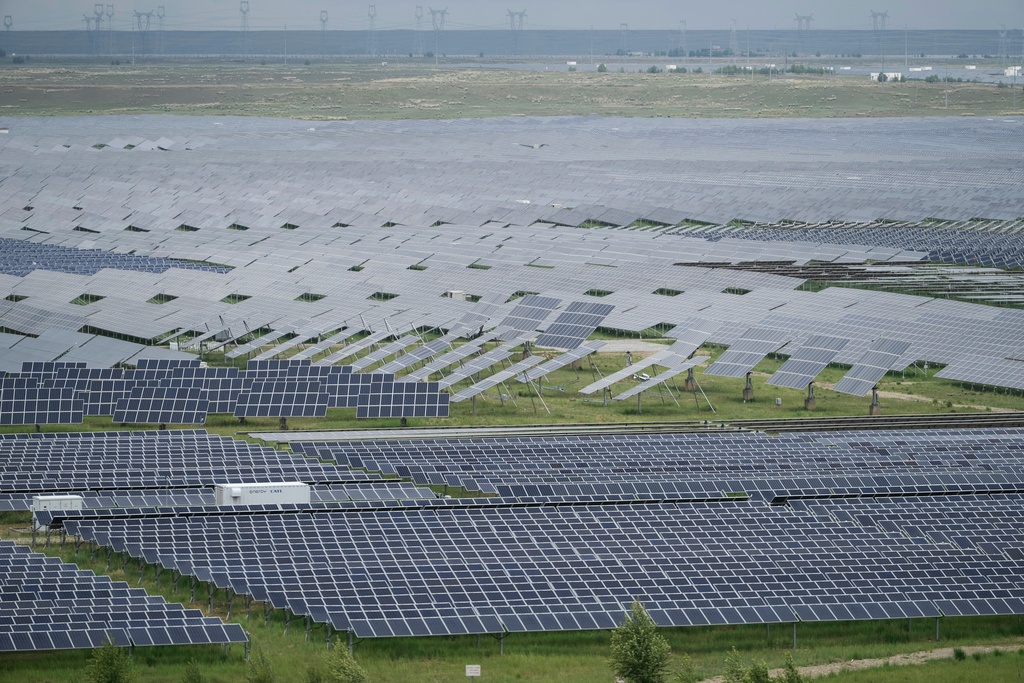
Society’s desire for a sustainable future is yet again at risk, and the culprit is Western greed. While the United States and its allies debate costs, subsidies, and profits, China is far ahead. In the last year, there were more wind turbines and solar panels installed in China than in the rest of the world. In fact, the country has started to dominate in manufacturing sources of sustainable energy with exports of lithium-ion batteries, solar panels, modules, and electric cars worth approximately $143 billion. The United States, on the other hand, is in the process of persuading allies to invest in a project that transports natural gas to the Asian continent. It has poured its efforts into fossil fuels such as crude oil, natural gas, and coal to dismiss the severity of the climate’s state. As debates start brewing regarding China’s lead in the global market, policymakers of the United States worry that the dominance in clean energy may soon transition into greater global influence. What once seemed like a competition to sustain the planet is quickly becoming a race to control its future.
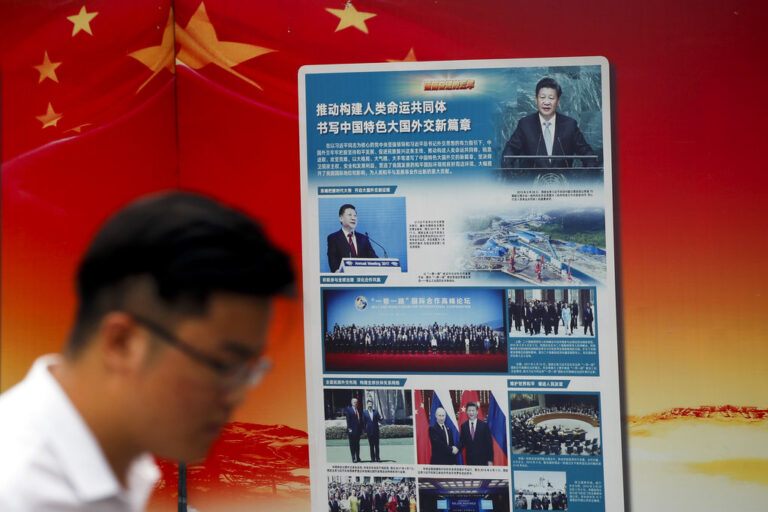
Although China is the world’s most consistent consumer of nonrenewable resources, its pivot toward sustainability poses a risk to the United States’ position in the global arena. China has, and due to this shift, will continue to heavily influence the economies and alliances it has with countries such as Pakistan and Brazil, while getting attention. Praveer Sinha, chief executive of an Indian conglomerate solar panel manufacturer, Tata Power, said, “China is huge. Huge means huge. No one in the world can compete with that.” In fact, China’s largest green energy consumer is Saudi Arabia, and the country is pursuing deals to supply nuclear reactors to Turkey. The global influence that is accompanying China’s advancement in the field of clean energy is clear. Dr. Turner of the Woodrow Wilson Center stated, “They are dominating these markets, and market dominance can be a form of soft power.” It is evident that the country’s dominance in the world market within multiple green energy industries can allow it to gain influence around the globe by selling energy technology. This, in turn, can allow China to form relationships and alliances with different nations.
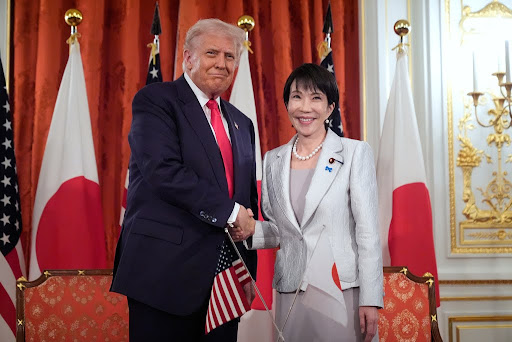
Conversely, Alaska LNG is a project central to the Trump administration in the United States. The endeavor seeks to ship natural gas from northern Alaska to nations in Asia, relying on backing from the country’s allies in the region. Additionally, the Esmeralda 7 project has been scrapped. The project, based in Nevada, aimed toward renewable energy by producing enough energy to power over two million homes with wind power. While it was initially unclear whether the initiative would move forward, the current administration within the United States’ resentment toward renewable energy confirmed that the project was no more. Dough Burgan, President Trump’s interior secretary, said in a conference, “Under this administration, there is not a future for offshore wind because it is too expensive and not reliable enough.” Considering that the United States was the first country to embark on the journey of sustainability with its first silicon photovoltaic cells in the 1950s, it is rather disappointing that it has abandoned the endeavor entirely in the name of profit-making, despite the availability of newer, innovative resources. Upon questions regarding the diverging routes taken by the two countries, a Department of Energy Spokesman, Ben Dietderich, asserted, “The United States is blessed with an abundant supply of energy resources and the Trump administration is committed to fully utilizing them to meet the growing energy needs of the American people.” Dietderich added that efforts taken by America in the past to preserve the environment “harmed America’s energy security.” Will the United States be able to catch up to China’s rapid innovation toward a sustainable planet, or will it be preoccupied with investment opportunities and be left behind?
The Zeitgeist aims to publish ideas worth discussing. The views presented are solely those of the writer and do not necessarily reflect the views of the editorial board.